
Getting Better Hasn’t Always Felt Better
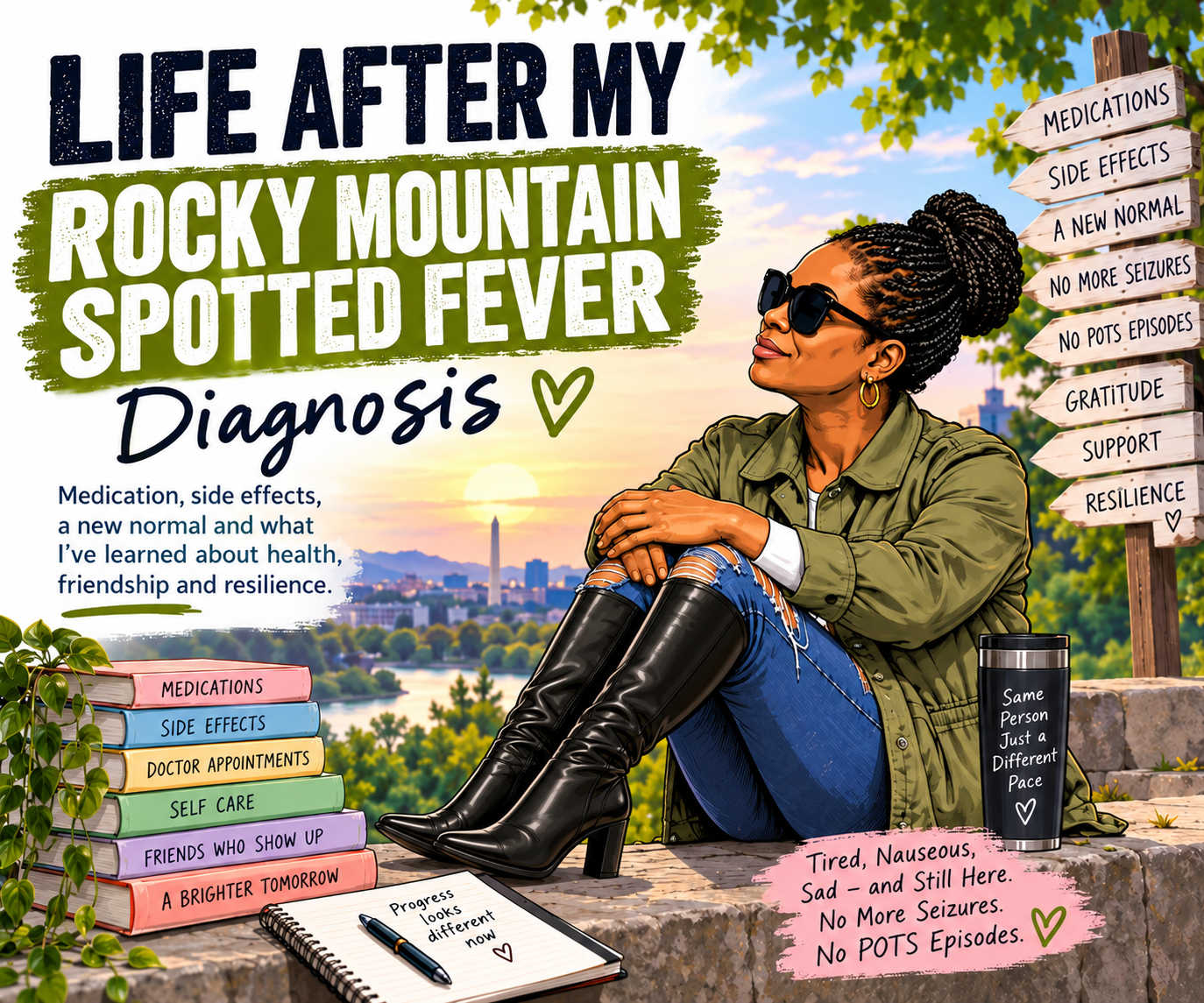
It’s been a little while since I shared that I was diagnosed with Rocky Mountain Spotted Fever, and I wanted to give an update on what life has looked like since then.
The diagnosis gave me an answer for what had been happening to my body, but getting an answer didn’t mean everything suddenly got easier.
A big part of my life since being diagnosed has revolved around medication — taking it, remembering when to take it, adjusting to changes and dealing with side effects. There have been days when it feels like I have had to build my life around my medication instead of simply taking medication as part of my life.
And it hasn’t just been about taking medication. It has also meant switching medications and trying to find the right combination that makes me feel better — or, at the very least, doesn’t make me feel worse. That process can be exhausting in itself. A medication may help one thing while creating a new problem somewhere else, and then you’re back to figuring out what needs to change.
The side effects have been difficult.
There has been tiredness. There has been nausea. But the hardest has been the sadness. That one has been particularly tough because it doesn’t just affect how you physically feel. It can change how you experience your day, how you interact with other people and how much energy you have to be yourself.
There are, however, two very big positives: I haven’t had any more seizures, and I also haven’t had another POTS episode.
Considering how frightening and disruptive both had become before my diagnosis and treatment, I don’t take either of those things for granted. They are reminders that even on the days when the medication and its side effects make it difficult to feel like I’m getting better, there are signs that things have improved.
Still, a lot has changed in my life since I was diagnosed, and if I’m being truthful, most of those changes haven’t been good. Some of the biggest changes have been social.
Being sick has a way of showing you things about your relationships that you might not have seen before. When you don’t have the same amount of energy, when you’re dealing with medication side effects, or when you simply aren’t yourself every day, people respond differently.
Some people disappear. Some people don’t understand. Some may expect you to continue showing up exactly as you did before, even when you’re using a lot of your energy just to get through the day.
But other people check on you.
They ask how you’re doing — and actually want to know the answer. They offer their support. They give you grace when you’re tired, sad, nauseous or simply not feeling like yourself. They understand when plans have to change or when you don’t have the energy you once did.
I’ve come to believe those are some of the best kinds of friends you can have.
I wouldn’t have chosen what has happened over these past few months, and I’m still figuring out what my life looks like on the other side of this diagnosis. I’m learning my limits. I’m learning how my medications affect me. I’m learning that recovery isn’t always a straight line — and sometimes getting better involves a lot of trial and error along the way.
And I’m also learning to pay attention to the people who show up.
Right now, I’m incredibly grateful for the people who have checked on me, offered their support, extended some understanding and continued to make space for me while I work through all of this.
Sometimes you don’t fully realize who’s in your corner until you really need someone in your corner.