
Yesterday I Said It. Today I’m Asking You to Share It.
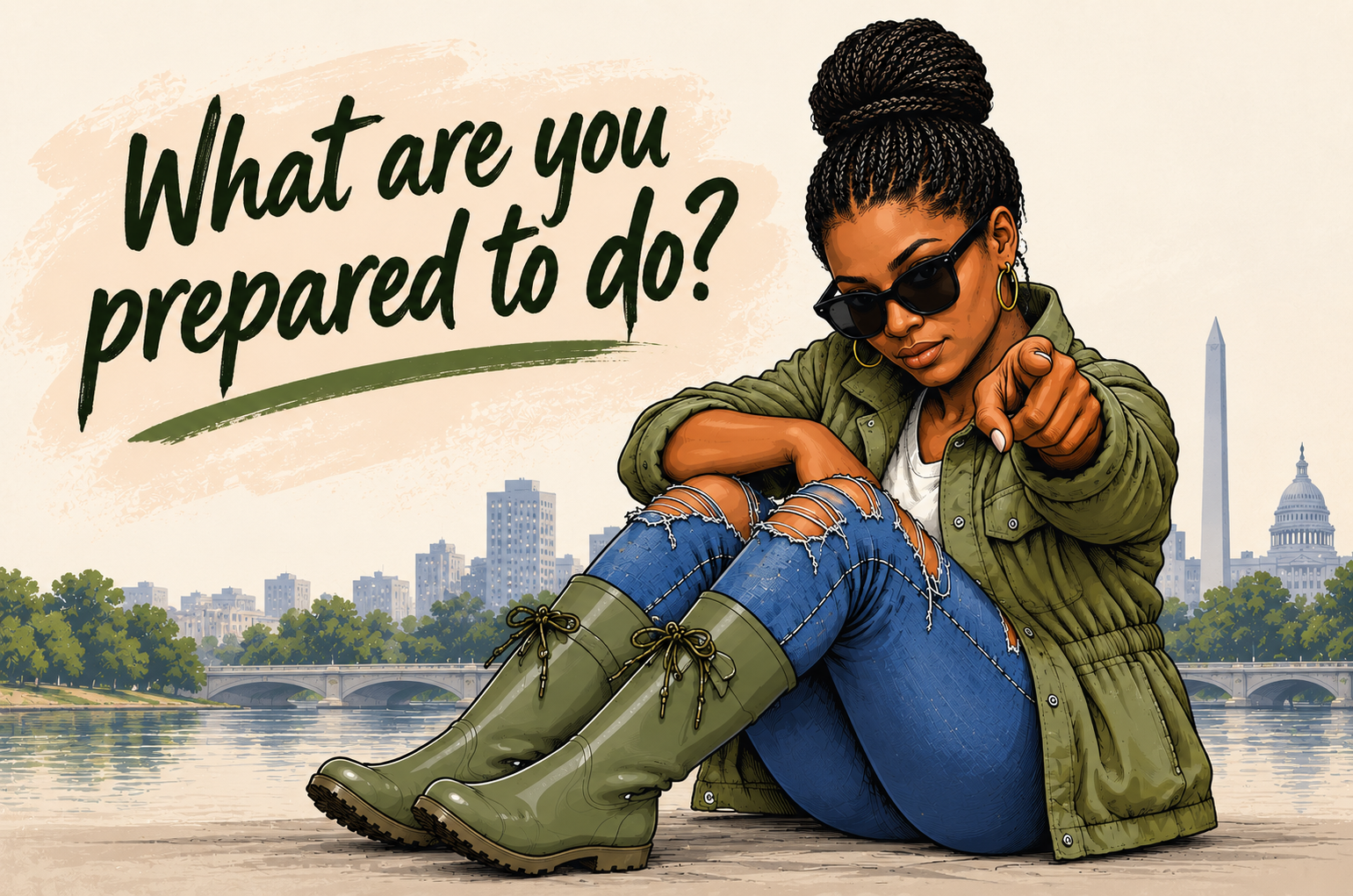
I’m purposefully keeping today’s Congress Heights on the Rise blog short because I want yesterday’s editorial to sit. And I want people to sit with it.
YESTERDAY’S EDITORIAL:
“What Leaving East of the River Taught Me About DC”
👉 [CLICK HERE TO READ & SHARE THE EDITORIAL]
If I had my wish, you’d use the time you normally spend reading CHotR today to share that piece. Share it widely. Share it beyond your usual circle.
Share it with your friends, acquaintances, colleagues, neighbors, frenemies, your boss, your employees, the board of directors of your neighborhood or civic association, the caregivers in your life, the parents at your child’s school, your book club, your group chat, your church family, your longtime DC friends, your brand-new-to-DC friends, your fellow Black women, the White women who consider themselves allies, the progressive friend who always has the right language, and especially the people who might be a little uncomfortable reading it.
Hell, start with a teacher.
Think about how much of our lives we spend learning how to do our jobs. Degrees. Certifications. Continuing education. Professional development. Trainings. Tests. Conferences. Workshops. Required reading. We are constantly being taught, tested, and encouraged to become better at what we do.
But where is the continuing education for becoming better at how we treat one another?
Where are we taught how to listen to, have empathy for, and show respect toward one of the most consistently disrespected demographics in this country: Black women?
We seem to expect people to simply know how to do that. And when they don’t, Black women are often expected to provide the lesson, explain the history, offer the examples, temper our delivery, answer the questions, and somehow make the person learning feel comfortable while we explain the ways we have been made uncomfortable.
That’s a hell of a curriculum to expect us to teach for free.
And, to be honest, I’m tired of it always being Black women who have to say these things, only to not be believed, have our experiences minimized, or be met with the same white fragility and backlash that teaches us why keeping our mouths shut sometimes feels safer in the first place.
So maybe send it to Sarah in accounting who is always “down for the cause.”
But ask yourself: Has Sarah actually been down for you? In a way that matters?
Does she speak up when you’re not in the room? Does she say something publicly when it might cost her a little social capital? Does she challenge someone who looks like her when there isn’t a Black person around to witness it? Or does her support always seem to arrive quietly, privately, and safely after the fact?
And after you read yesterday’s essay, and after you share it, invite the Black women in your life to tell you what they think and how they feel.
Then do something that sounds incredibly simple but apparently is not:
Listen to them. And accept what they tell you.
Don’t minimize it. Don’t explain why you think something happened. Don’t immediately tell them about the Black woman you know who had a different experience. Don’t search for the part of their story that lets you off the hook. Don’t make them prove that what they experienced was really racism, sexism, bias, disrespect, or some ugly combination of all four.
Just listen.
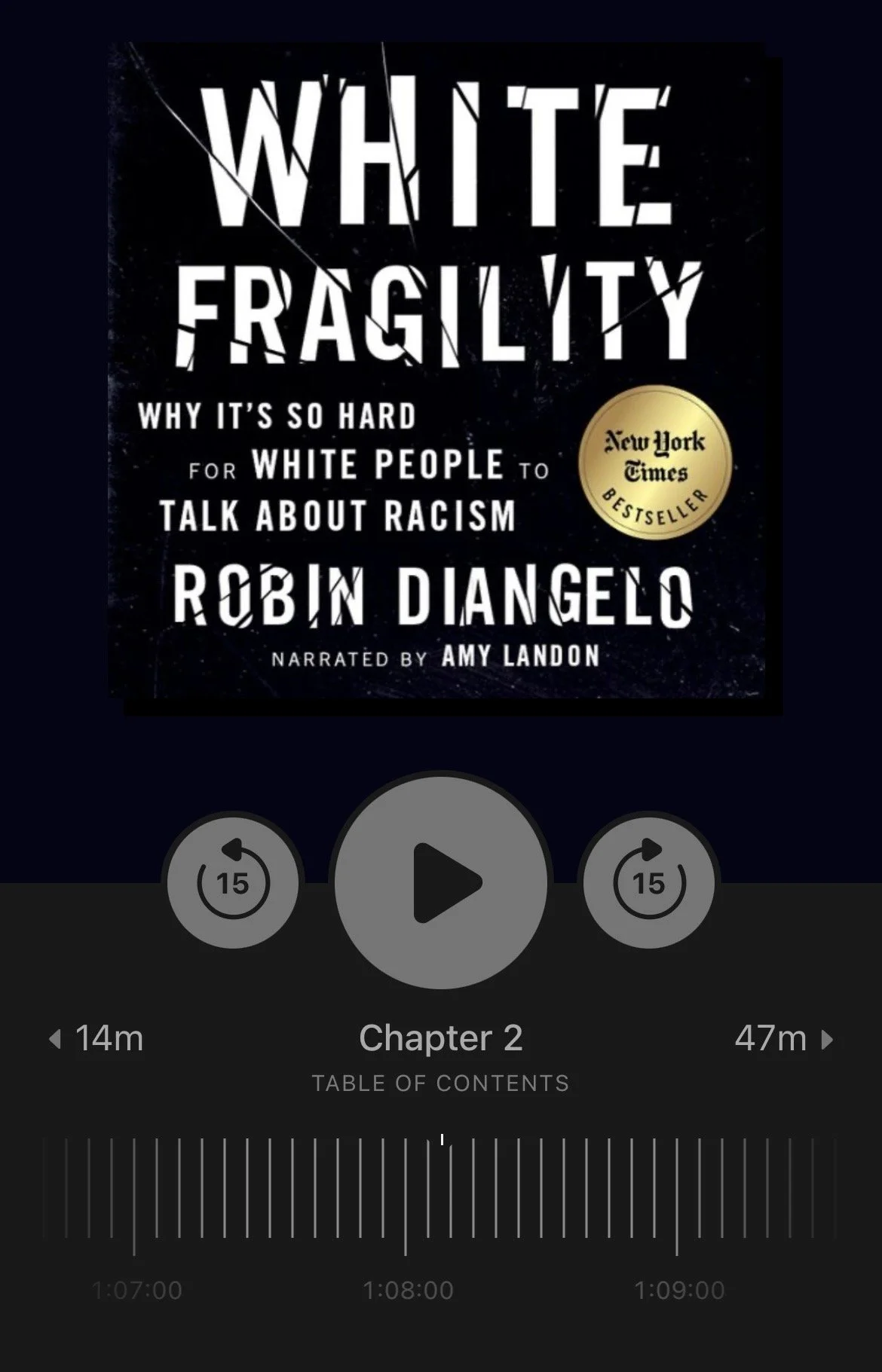
Even better, pick up a copy of White Fragility and read it. SPOILER ALERT: The author is White. I found my copy in a secondhand bookstore for $6.95. You can also check your library and Libby for the FREE ebook or audiobook. You can read an excerpt of the book here. The point isn’t that everyone has to read one particular book. The point is to put in some effort.
Read that book. Read a book. Read an article. Listen to Black women. Hell, ChatGPT it if you have to.
But do something.
Because I’m at a point where I am holding the people in my life accountable, too.
If you care about me, my struggle and the struggles of women who look like me, then I need that care to involve some effort. I need it to mean more than telling me privately that you understand. More than sending the heart emoji. More than saying, “I’m so sorry you experienced that.”
Learn something.
And here’s the part that may make some people uncomfortable: If you’re not Black, somebody in your life is probably looking at you right now and wondering when you’re going to get it.
And maybe even if you are Black.
Someone may be wondering when you’ll notice. When you’re going to speak up. When you’re going to stop explaining. When you’re going to believe them without requiring a dissertation and supporting documentation. When your private sympathy finally becomes public action.
I also want to say how much I appreciate the many kind words, emails, texts, and social media posts I’ve received about the essay. It clearly touched people, Black and White, and I’m grateful that so many of you took the time to reach out.
If I have one request, it’s this: please put those thoughts in the Comments section, too.
Part of what I wrote about yesterday is how often difficult conversations happen privately, especially when saying something publicly takes a little more courage. I don’t want this conversation to live only in my inbox or text messages. Let’s have some of it out loud, where other people can read it, respond to it, learn from it, disagree with it, and maybe examine some things about themselves.
Yesterday’s editorial wasn’t just something I needed to write.
I think more people need to read it, and more people need to have this conversation.
So today, instead of giving you something new, I’m asking you to help the old thing travel a little farther.
Read it. Share it. Talk about it. Listen. Learn. And then ask yourself what you’re going to do differently.