
Is Work-Life Balance Also About Where We Spend Our Time?
Yes — that makes the piece more nuanced. It becomes less about “support Ward 7 and Ward 8 first” and more about how geography affects our routines, choices, and even our sense of balance.
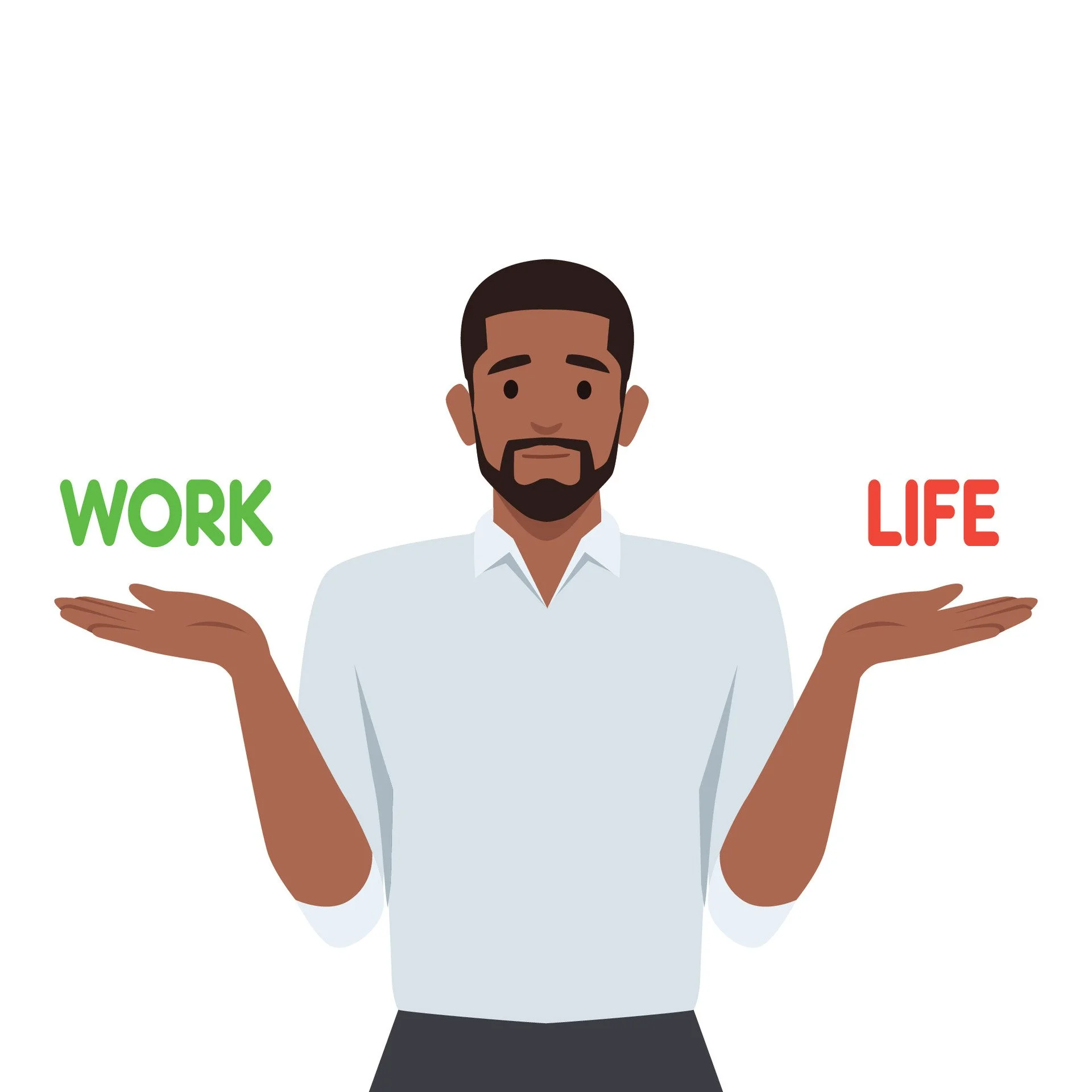
For many DC residents, finding a healthy balance between work and everything else can feel like a job of its own.
There are careers to manage, businesses to run, families to care for, errands to tackle, relationships to maintain and communities to stay connected to. Somewhere in all of that, we're also supposed to find time to rest, have fun and actually enjoy where we live.
So, Congress Heights on the Rise wants to hear from readers: How are you doing when it comes to work-life balance—and how much does where you spend your time factor into it?
Are you intentional about making time for yourself? Do you have firm boundaries between work and home? Or are you regularly answering emails from the couch, checking your phone during dinner and promising yourself that next weekend you'll finally slow down?
There's another part of the conversation we're curious about, too.
How Often Do You Look to Ward 7 and Ward 8?
When you're looking for somewhere to eat, something to do, a new business to support, professional resources, services or opportunities to connect with other people, how often do you look to Ward 7 and Ward 8?
And here's an important part of the question: There's absolutely nothing wrong if the answer is "not that often."
Sometimes living, working, shopping and entertaining yourself in the same general area can make you feel stuck in one place. Part of creating balance can mean getting outside of your usual surroundings and experiencing something different.
For someone who lives east of the river, that might mean heading west of the river or spending time in Maryland or Virginia. For someone who lives in Maryland, Virginia or west of the river in DC, it might mean making a point of crossing the river and exploring more of Ward 7 and Ward 8.
Diversity of experiences can go in both directions.
There are also practical reasons people leave their neighborhoods for everyday needs.
Many residents east of the river find themselves traveling west of the river to buy groceries because they believe they'll have more stores, more products and more choices. Whether it's groceries, restaurants, retail, recreation, health and wellness services or entertainment, people naturally go where they believe they can find what they need.
At the same time, residents outside Ward 7 and Ward 8 may not realize how many businesses, events, cultural destinations, parks, restaurants and other experiences are available east of the river.
That raises a bigger question: How much of our routine is based on what's actually available, and how much is based on what we know—or don't know—is available?
Maybe Work-Life Balance Is Also About Geography
Work-life balance is usually discussed in terms of time: How many hours are you working? Are you taking time off? Are you making enough time for family, friends and yourself?
But maybe there's a geographic component, too.
If you live, work, shop, socialize and spend nearly all of your free time within the same few blocks or neighborhoods, does that eventually start to feel limiting?
On the other hand, if you're constantly traveling across the city—or outside of it—to find the things you need, does that make achieving balance harder?
And what happens when we deliberately mix things up?
Maybe someone in Ward 8 discovers a favorite restaurant in Northwest. Someone in Ward 7 finds a great weekend destination in Prince George's County. Someone from Arlington discovers an event in Anacostia. A Capitol Hill resident heads across the river for a class, performance or afternoon in one of Ward 7 or Ward 8's parks.
Exploring beyond our usual boundaries doesn't have to mean abandoning our own communities. It can simply mean giving ourselves more choices.
CHotR Wants to Hear From You
So we're curious.
How do you balance work and life?
How much of your life—work, shopping, dining, entertainment and recreation—happens close to home?
If you live in Ward 7 or Ward 8, how often do you find yourself crossing the river or heading into Maryland or Virginia for things you can't find—or don't believe you can find—closer to home?
And if you live west of the river, in Maryland or in Virginia, how often do you look toward Ward 7 and Ward 8 when you're deciding where to eat, shop, explore or spend your free time?
What gets you out of your usual geographic bubble?
And perhaps most importantly: What have you discovered by venturing outside of it?
Share your thoughts. The answers may help CHotR better understand not only what readers want to see in Ward 7 and Ward 8, but how our communities fit into the larger lives people are building throughout the DC region.
I especially like the “Maybe Work-Life Balance Is Also About Geography” angle here—it gives the post a bigger idea than simply asking whether people shop EOTR.