
Why I Reject the Term “Black Girl Magic”
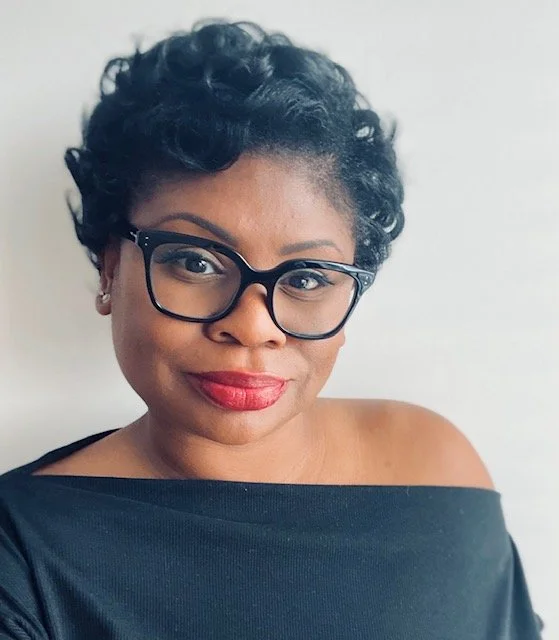
I’m not here to be whimsical. I’m here to be recognized for the reality of my labor.
As a Black woman, I’ve never felt comfortable with the phrase “Black Girl Magic.” While it’s often used as a compliment or celebration, the term has always unsettled me because it strips away the labor, sacrifice, and intentionality that undergird our success. It collapses our humanity into something mystical, as though our achievements are effortless, inexplicable, or supernatural.
There is nothing magical about grinding through advanced degrees while working two jobs. There is nothing mystical about the sleepless nights spent balancing family responsibilities, community commitments, and professional demands. There is nothing otherworldly about carrying student debt into middle age because we believed in investing in our education when the system stacked the odds against us. These are choices. They are investments. They are sacrifices. They are the outcome of strategy, resilience, and skill, not spells.
And let me be clear: I am not a “girl.” I am a woman. To call me, or any of us, “girls” is to minimize our maturity, experience, and authority. We are not ornamental. We are not childlike. We are women who lead households, run companies, build institutions, and hold our communities together. That deserves recognition on its own terms, not under the guise of some whimsical phrase.
I think often about a time I was working as an executive at a nonprofit. During a leadership meeting, while I was already sitting down and speaking calmly and professionally, a white female colleague stood up, loomed over me, and screamed in my face to “sit down, shut up, and learn something” before storming out of the room and slamming the door. My offense? Expecting to be treated as a qualified and experienced colleague rather than a subordinate who should have been grateful just to be in the room. I wish I could say that was the first, second, or even third time something like that had happened. In reality, I’ve lost count. It seems that part of the onboarding process of working while Black and qualified is having your credentials, authority, and contributions questioned, often by people (and to be frank, most often by white women) not even remotely equipped to do the work you do. There was a time when I tried to prove my worth over and over. Now I refuse to entertain it, and that almost always results in hurt feelings, but on their part, not mine.
And this is why the phrase “Black Girl Magic” grates. It masks the ugly truth of what Black women face daily: the constant second-guessing, the diminishment of our authority, the outright hostility when we dare assert our qualifications. To dismiss our success as “magic” is to gloss over the reality that we succeed in spite of barriers most of our peers never face. Magic does not require infrastructure, but progress does. Magic does not demand policy change, but liberation does.
I understand the phrase was born from love, a shield of affirmation in a world that often erases or demeans us. But I reject the idea that we must be mythical beings or perpetual “girls” to be worthy of respect. I am not a unicorn, a sorceress, or a goddess. I am not a “girl.” I am a woman who studies, who works, who invests, who sacrifices, and who builds. My achievements are not tricks of light; they are the result of blood, sweat, tears, and brilliance.
So, don’t call me “magic.” And don’t call me a “girl.” Call me a leader. Call me a professional. Call me a scholar, a creator, an innovator, a neighbor, a friend. See the real, complicated, fully human woman standing before you, and give her the credit she deserves.