
Who Polices Your Neighborhood? Find Your DC Police District and PSA
If you live in Washington, DC, you’ve probably heard references to police districts, sectors and PSAs. But do you actually know which one your neighborhood is in?
Understanding how the Metropolitan Police Department (MPD) divides the city can be helpful for residents and businesses who want to stay informed about public safety issues in their neighborhoods and know who to contact when concerns arise.
How DC's Police Districts Are Organized
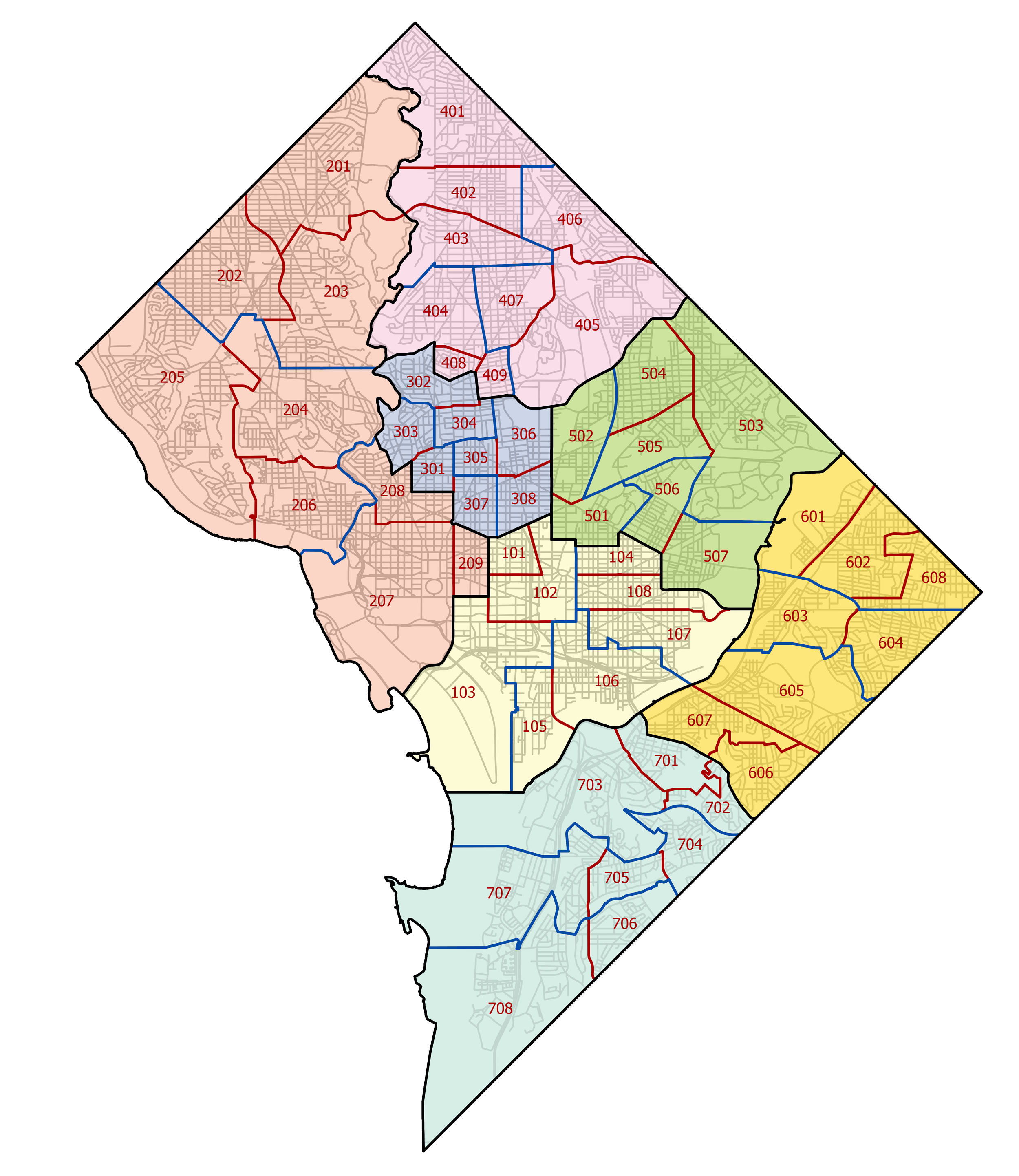
Washington, DC is divided into seven police districts.
Each district is further divided into three sectors, which are made up of smaller geographic areas known as Police Service Areas, or PSAs.
There are 57 PSAs across the District, with each police district containing between seven and nine PSAs.
Think of it this way:
Police District → Sector → Police Service Area (PSA) → Your Neighborhood
Every DC resident lives within a PSA.
Why Your PSA Matters
Each PSA has a team of assigned MPD officers and officials responsible for working within that area.
PSAs also hold regular community meetings that are open to residents, businesses and other neighborhood stakeholders. These meetings provide an opportunity to hear directly from MPD about public safety concerns, crime trends and other issues affecting the area.
Just as importantly, residents can ask questions, raise concerns and share information about what's happening on their blocks and in their neighborhoods.
For people who want to become more involved in public safety issues, attending a PSA meeting can also be a good way to get to know the officers assigned to your community before there's an emergency or serious problem.
Don't Know Your PSA? Look It Up.
You don't have to know your police district or PSA number already. DC provides an interactive map that allows you to search for the police district and Police Service Area serving your address.
Find your Police District and PSA using DC's interactive map:
http://dcgis.maps.arcgis.com/apps/InformationLookup/index.html?appid=9b33920cad0a4c0796e4567100c72fef
Once you know your PSA, you can keep up with local meetings and other opportunities to communicate directly with MPD.
Public safety isn't something residents should only think about after something happens. Knowing which officers serve your neighborhood, understanding how MPD is organized and knowing where to raise concerns are simple ways to become a more informed and engaged DC resident.