
Don't Be An Ass: When Your Body Tells You Something Is Wrong, Listen
Part 1: The Day Everything Changed

If you are a regular reader of Congress Heights on the Rise, you may remember that on the morning of June 19, I apologized because the blog and newsletter were abbreviated that day.
I blamed it on “technical issues.”
That wasn't exactly a lie.
There was a technical issue.
The technical issue was me.
Earlier, I had started experiencing pain in my neck—and I mean quite literally a pain in my neck. At first, it was just that: neck pain. Uncomfortable, certainly, but not something that immediately made me think I was having a medical emergency.
Then came the nausea.
I still kept working.
I was sitting at my computer trying to put together Congress Heights on the Rise when I began having trouble remembering simple things. Then I started having difficulty understanding what I was seeing on my computer screen.
This is work I do every day. The computer, programs and routine were all familiar to me. But suddenly I couldn't make sense of things that should have been automatic.
Then I started having problems with my vision.
At that point, I knew something wasn't right, but I still didn't understand how serious it was.
And, because apparently I am nothing if not committed to updating the website and getting the newsletter out, I kept trying to work.
Eventually, I got up from my computer to walk to the restroom.
That's when the vertigo hit.
When Things Got Scary

This wasn't simply feeling a little dizzy or lightheaded.
I couldn't control where my body was going.
I was running into walls, unable to stop myself or walk normally. I somehow made it into my bathroom, where I fell.
I was incredibly lucky that I didn't hit my head.
Eventually, I was able to get onto the floor and crawl out of the bathroom and back toward my bedroom. I managed to pull myself up onto my bed.
At that point, I finally called a friend.
And that's when another symptom became obvious.
My speech was very slurred.
Hearing myself trying to talk made it clear that whatever was happening was much more serious than neck pain, nausea or a problem staring at a computer screen.
My friends came to help me.
And then I proceeded to do something that, in retrospect, I absolutely do not recommend anyone reading this do.
For roughly the next hour, I refused to let them call an ambulance.
Yes. An hour.
Despite the confusion. Despite the vision problems. Despite the vertigo. Despite running into walls. Despite falling in my bathroom. Despite my noticeably slurred speech.
I resisted going to the hospital by ambulance.
I share that because I don't want to rewrite this story in a way that makes me sound like the model patient who immediately recognized the warning signs and did everything exactly right.
I didn't.
My friends knew I needed medical attention.
I was the one resisting it.
Eventually, I agreed to let my best friend take an Uber with me to an Urgent Care.
Even then, apparently, I was still trying to negotiate with the situation.
We arrived and explained what had been happening.
They wouldn't treat me.
My symptoms were too serious for an Urgent Care facility. The combination of neurological symptoms I was experiencing—including confusion, vision problems, severe vertigo, difficulty walking and slurred speech—could indicate a stroke or another neurological emergency.
They told us I needed to go to an emergency room.
Here's Where I Need You to Learn From Me

This is one of the reasons I decided to write this series.
I did eventually get medical help.
But I waited.
And knowing what I know now, I shouldn't have.
When someone suddenly develops symptoms that could indicate a stroke, getting emergency medical attention quickly matters. This isn't something to negotiate with yourself about for an hour.
Don't do what I did.
Don't finish the newsletter.
Don't decide you'll lie down for a while and see what happens.
Don't spend an hour arguing with your friends about calling an ambulance.
And don't substitute Urgent Care for an emergency room when you are experiencing potentially life-threatening neurological symptoms.
Sudden confusion, difficulty speaking or understanding speech, vision problems, severe dizziness or loss of balance, weakness or numbness, difficulty walking, or a sudden severe headache can require immediate emergency evaluation.
Call 911.
There is another reason an ambulance can matter in a situation like this. Emergency medical personnel can begin assessing you before you reach the hospital, and the receiving hospital can prepare for a possible stroke or other neurological emergency.
Also try to remember—or have someone else note—when the symptoms first began or the last time you were known to be feeling normal. Timing can affect the treatment options available for certain types of stroke.
In other words, don't follow my example from that first hour.
Follow my friends'.
Finally, the Emergency Room

After Urgent Care made it clear that they couldn't safely evaluate or treat what was happening to me, there was no more negotiating.
I needed a hospital.
We went to George Washington University Hospital.
When we arrived at GWH, the medical team quickly realized how serious the situation potentially was.
They rushed me into the back.
I can't remember a lot of what happened during those first hours. There are pieces of that night that my friends remember much more clearly than I do.
One of the immediate concerns was whether there was bleeding in my brain.
I was rushed in for a CT scan.
Thankfully, the scan did not show blood on my brain.
That was very good news.
But it didn't explain what was happening to me.
The symptoms were still there. Something had happened. And ruling out one frightening possibility didn't mean the doctors were finished looking.
Far from it.
I would spend approximately 12 hours in the emergency room.
There were neurological assessments. Bloodwork. Scans. Questions—some of which I remember and some of which I don't.
And there were a lot of neurologists.
The central question was still hanging over everything:
Had I experienced a stroke? And if I hadn't, what was causing symptoms that looked so much like one?
At around 6 a.m., after spending the night in the emergency room, I was finally given a hospital bed and admitted to the neurology department.
That's when it really sank in that I wasn't going home anytime soon.
Two Days and One Night at GW

What I thought that morning was a problem I could work through eventually became two days and one night in the hospital.
My normal routine stopped.
And Congress Heights on the Rise had to stop with it.
For the next few days, I had to do something that isn't always particularly easy for me: let go.
I couldn't worry about whether every story was posted. I couldn't worry about whether the newsletter looked exactly the way I wanted it to. I couldn't sit in a hospital bed worrying about everything happening in Ward 7 and Ward 8 that I wasn't covering.
My health had to come first.
I also had to allow a friend to step in and help with the blog while I couldn't.
So, for those of you who noticed things were a little different around here during those days, now you know why.
I wasn't taking a vacation.
And despite what I told you that first morning, my computer wasn't really having technical difficulties.
I was.
Finally, an Answer—or So I Thought
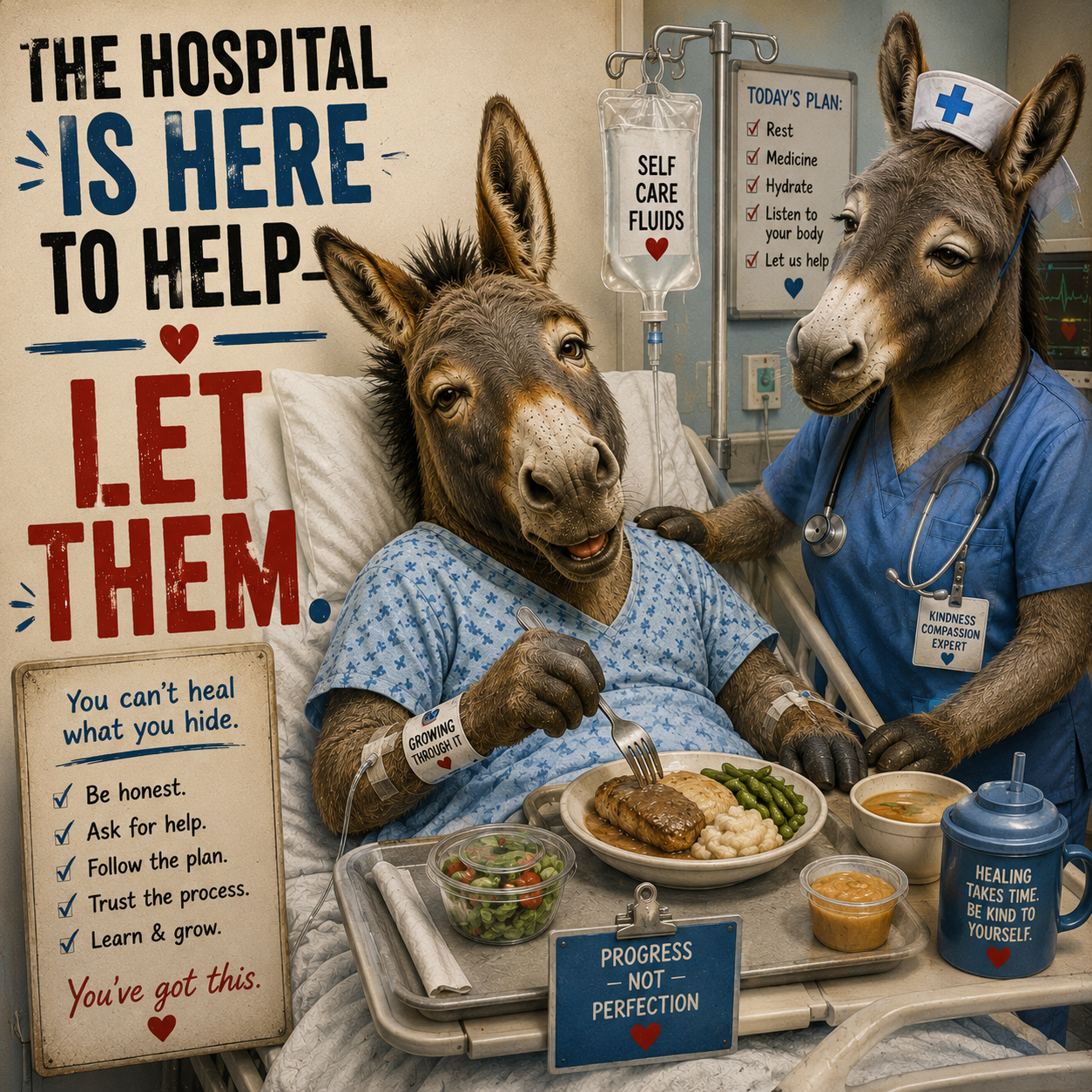
After two days and one night at GW Hospital, I was eventually cleared to go home.
And I left with a diagnosis.
The doctors believed I had experienced something called Migraine with Brainstem Aura, or MBA.
I had never heard of it.
Migraine with Brainstem Aura is a rare form of migraine that can cause neurological symptoms such as vertigo, problems with coordination, slurred speech, double vision, tinnitus and changes in consciousness. Because those symptoms can overlap with serious neurological emergencies, including stroke, doctors first have to consider and rule out other potentially dangerous causes.
And when I say rare, I mean rare.
One published study found Migraine with Brainstem Aura in about 1.37% of patients with migraine with aura, corresponding to an estimated prevalence of approximately 0.04% in the general population.
So naturally, I freaked out a little.
But there was also relief.
After everything that had happened—the confusion, the vision problems, the vertigo, falling in my bathroom, the slurred speech, being rushed into the back at GW, the CT scan, approximately 12 hours in the emergency room and two days and one night in the hospital—at least somebody had finally put a name to it.
I had an answer.
Or so I thought.
Here's a little preview of Part 2:
I did not have Migraine with Brainstem Aura.
I didn't know that yet, of course.
At that point, I went home believing we had figured out what had happened. But I still wasn't completely back to normal, and there were things about my symptoms and recovery that didn't quite fit neatly into that explanation.
That would begin the next phase of this story.
Neurologist appointments.
More symptoms.
More questions.
More testing.
A lot—and I mean a lot—of bloodwork.
An MRI (two actually).
And the increasingly frustrating experience of knowing something was happening to my body while not knowing exactly what it was.
Why I'm Sharing This
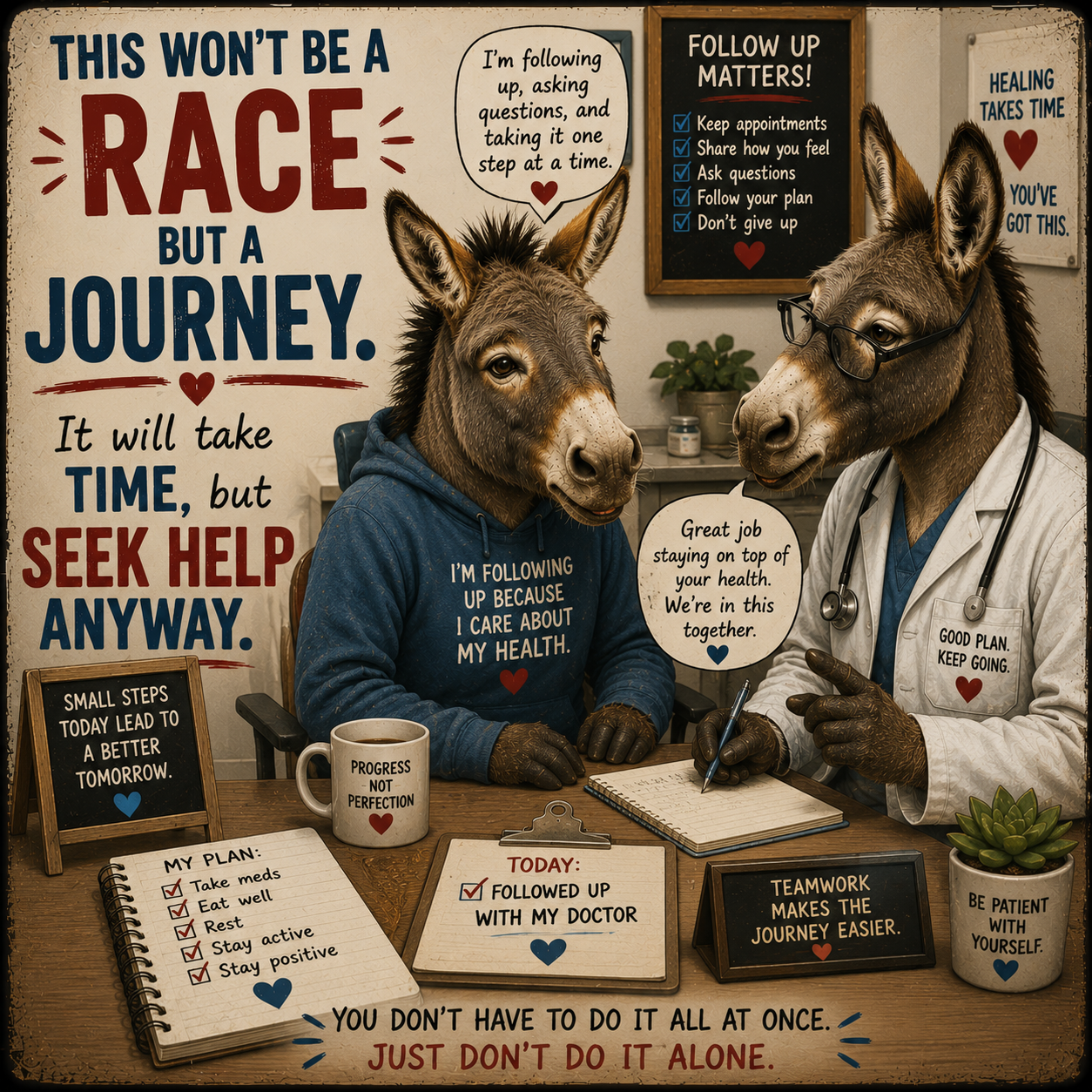
I want to make something very clear as I begin this series.
I'm not sharing any of this because I want sympathy.
I'm sharing it because I learned things during this experience that I wish I had known before June 19.
I want other people to learn from my mistakes.
I want you to know which warning signs shouldn't be ignored.
I want you to know when you should stop debating whether something is serious and get yourself to an emergency room.
I want to share some of the things I learned about what to ask your doctors, what information to keep track of, what tests or referrals you may need to ask about, and why you sometimes have to keep asking questions when an explanation doesn't seem to account for what you're experiencing.
I want to talk about advocating for yourself while also recognizing that doctors are trying to solve a puzzle—and sometimes the first answer isn't the right one.
And I also want to talk about something we don't discuss nearly enough:
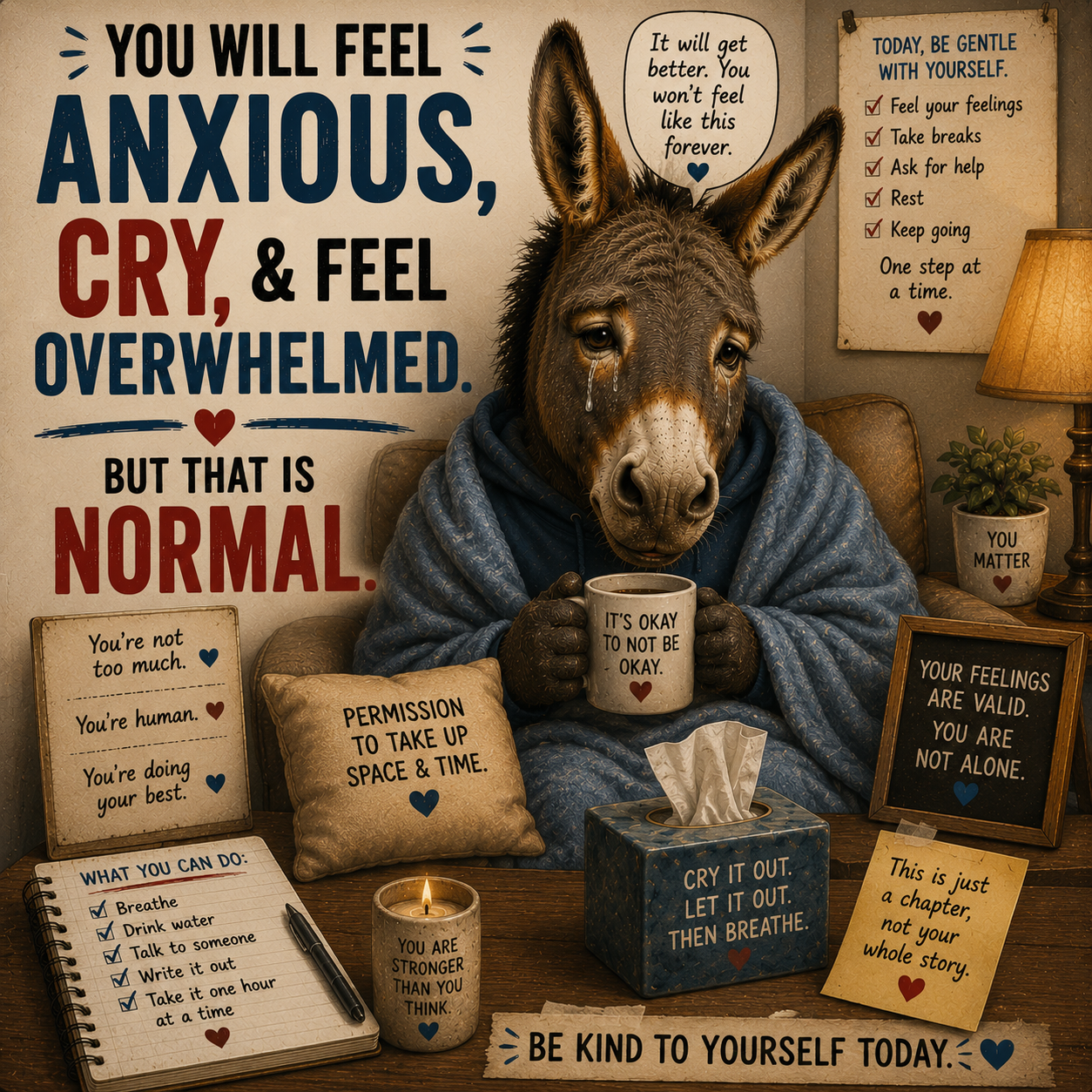
The emotional toll of not understanding what is happening to your own body.
There is something incredibly unsettling about suddenly not being able to trust the body you've lived in your entire life.
It's frightening to experience symptoms you can't explain.
It's frustrating when test after test doesn't immediately provide an answer.
And it's exhausting to keep going to appointments, answering questions, having blood drawn, undergoing scans and waiting for results while simultaneously trying to continue working and living your regular life.
There were moments when I thought I had an answer.
Then there were moments when I didn't.
There were moments when I thought we were getting closer.
And there were moments when the story changed completely.
That's what the rest of this series is going to be about—not simply what happened to me, but what I learned while trying to figure it out.
Listen to Your Body—and Don't Do What I Did

For now, there is one thing I hope you remember from Part 1:
Listen to your body—and don't wait as long as I did.
We all have reasons to keep going.
There is always another deadline. Another meeting. Another person who needs something. Another email. Another responsibility.
On June 19, even while I was having trouble understanding the computer screen in front of me, part of me was still worried about getting Congress Heights on the Rise published.
So I told all of you there were “technical issues.”
Turns out, there were.
The technical issue was me.
And thankfully, my friends were there when I finally realized this was one problem I wasn't going to be able to troubleshoot myself.
In Part 2, I'll share what happened after I left the hospital believing I had my answer—and how that answer began to unravel as my neurologist and I started looking more closely at what was actually happening to my body.
This is Part 1 of a series about my ongoing health issues, the search for answers and what I have learned along the way. I am sharing my experience because I hope it encourages someone else to listen to their body, seek help quickly when something isn't right, ask questions and advocate for their health.
This is my personal experience and should not be considered medical advice. Sudden stroke-like symptoms require emergency medical attention.