
How MPD Investigates Unsolved Murders and Cold Cases in DC
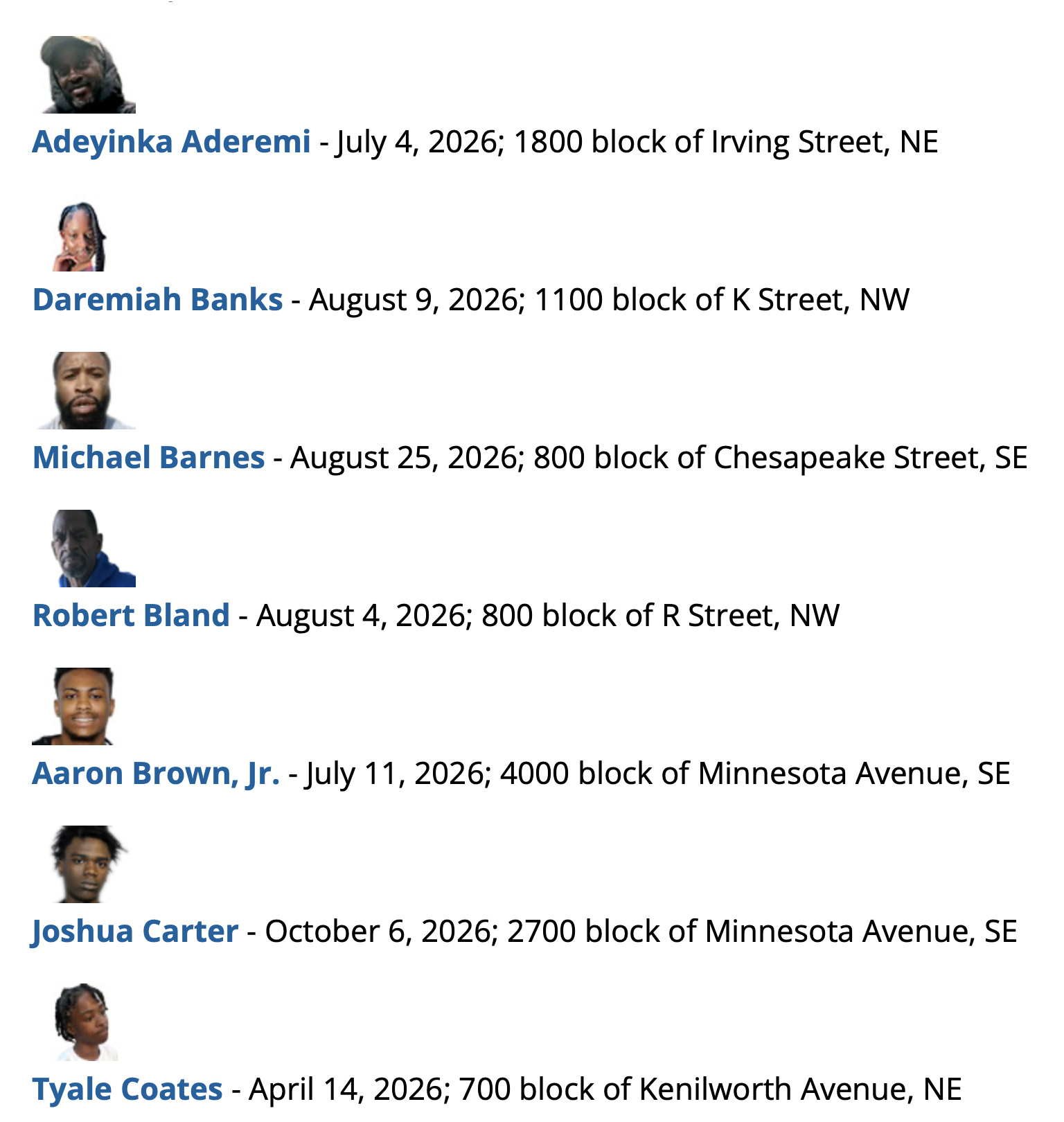
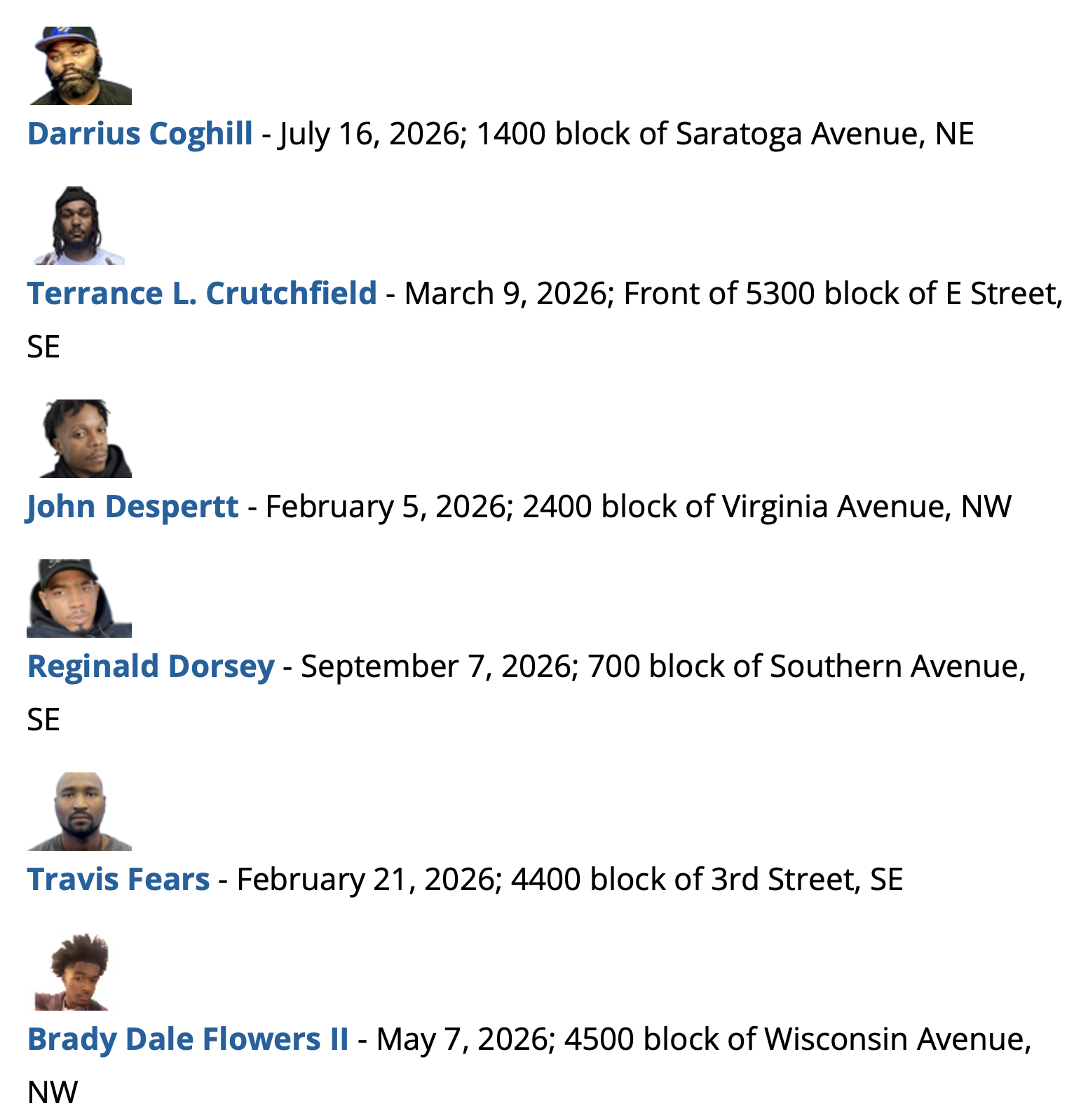
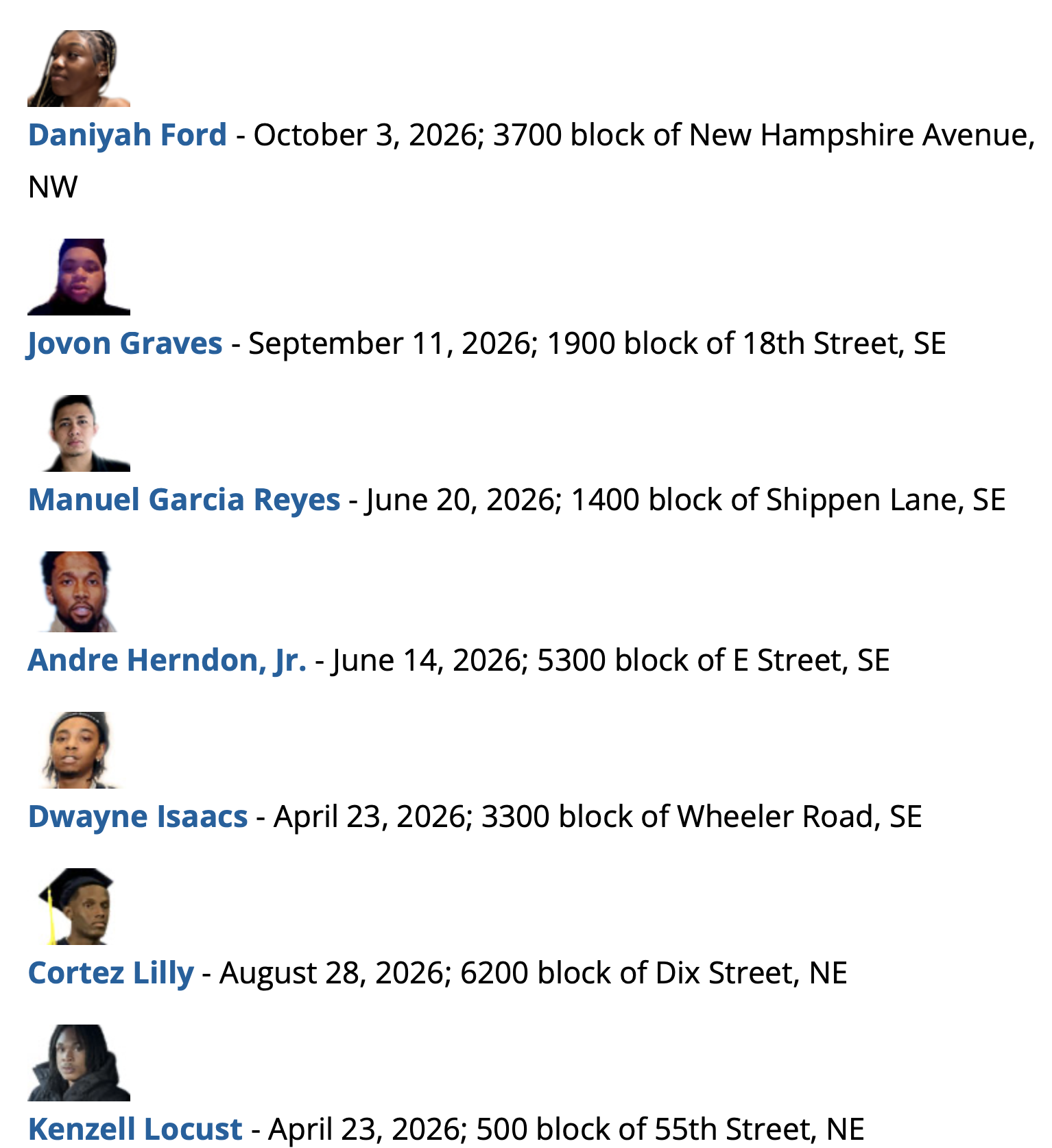
When a homicide remains unsolved in Washington, DC, the investigation does not necessarily end. The Metropolitan Police Department (MPD) has a process for reviewing unsolved murders, pursuing new leads, and keeping families informed of major developments. VIEW UNSOLVED HOMICIDES HERE.
Understanding how this process works can help families and community members better navigate an unsolved homicide investigation.
When Does a Homicide Become a Cold Case?
According to MPD, homicide investigations typically remain with the original case detective for up to four years.
If the case remains unsolved after that period, it may be transferred to MPD's Major Case/Cold Case Squad. This transfer generally occurs only after the detective and a supervisor determine that all available leads have been thoroughly investigated and no additional investigative steps can be taken at that time.
However, detectives may retain cases beyond four years if unresolved leads still exist.
Importantly, transferring a case to the Cold Case Squad does not mean the case is closed. The investigation remains open, although it may no longer be actively assigned to an individual detective.
What Happens When a Case Is Transferred?
Before transferring a case, the assigned detective is expected to contact the victim's next-of-kin to explain the process.
Families are informed that regular updates from an assigned detective will end, but they will be notified if significant new developments occur, including when a case is closed.
Families may also maintain contact with MPD through its Family Liaison Specialists Unit (FLSU), which provides support, advocacy, crisis intervention, and periodic events for family members.
How Does MPD Review Cold Cases?
Detectives assigned to the Major Case/Cold Case Squad systematically review unsolved homicides in chronological order.
This process includes:
Reviewing witness statements, investigative reports, notes, and other records.
Reexamining physical evidence.
Determining whether advances in forensic technology, including DNA testing, could produce new information.
Identifying previously unexplored investigative opportunities.
Collaborating with other law enforcement agencies, prosecutors, and criminal justice partners.
If new information or viable leads are discovered, the case may be assigned to a detective for additional investigation.
If no further investigative steps are available, the case remains open but inactive until new information emerges.
Community Information Can Help Solve Cold Cases
Information from witnesses, community members, or individuals who may have knowledge about an unsolved murder can be important in developing new leads.
Even information that may seem insignificant could help investigators revisit a case or identify new investigative opportunities.
MPD encourages anyone with information about an unsolved homicide to contact its Homicide Branch or Major Case/Cold Case Squad.
How to Contact MPD About an Unsolved Murder
MPD Homicide Branch
101 M Street SW
Washington, DC 20024
Major Case/Cold Case Squad
Lieutenant Christopher Petz
Phone: (202) 645-4065
Email: unsolved.murder@dc.gov
For families awaiting answers, an unsolved homicide can leave years of uncertainty. MPD's cold case process provides a mechanism for revisiting these investigations as new evidence, technology, and information become available.
Anyone with information about an unsolved murder is encouraged to share it with investigators, regardless of how much time has passed.