
Extreme Heat Alert Declared for July 15, through July 18, 2026
Wednesday, July 15, 2026
Residents and Visitors Urged to Drink Water, Dress for the Heat, Stay Cool, and Look Out for Vulnerable Neighbors
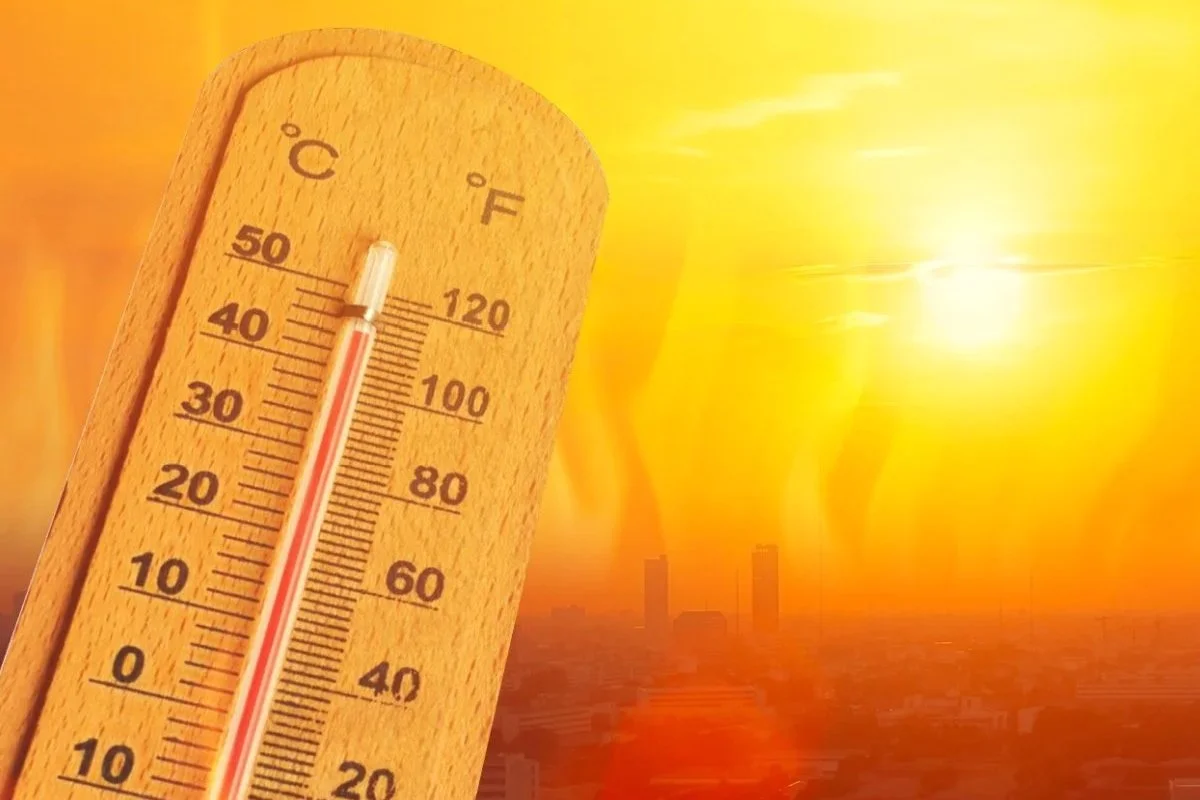
(Washington, DC) – Today, Mayor Muriel Bowser is urging residents and visitors to prepare for a heatwave expected to bring high temperatures to the District beginning today, Wednesday, July 15, through Saturday, July 18. Due to the anticipated high temperatures and humidity levels, Mayor Bowser has activated an Extreme Heat Alert for Wednesday, July 15 and Thursday, July 16, and a Heat Alert on Friday, July 17 and Saturday, July 18. Residents and visitors should prepare for prolonged heat exposure, drink lots of water – even before feeling thirsty, take frequent breaks in air-conditioned spaces or the shade, and sign up for free weather updates at alert.dc.gov.
The National Weather Service is forecasting daily high temperatures that could exceed 100 degrees at times, with the highest temperatures forecast for Wednesday and Thursday. When combined with high humidity levels, the heat index may exceed 105 degrees at times. Overnight temperatures could remain above 75 degrees, above the average for this time of year.
When the heat index exceeds 105°F, the District issues an Extreme Heat Alert and deploys additional resources to protect public health. High heat and humidity can quickly lead to heat exhaustion or heat stroke, especially for older adults, young children, people with chronic medical conditions, outdoor workers, and anyone spending extended time outside. Anyone spending extended time outdoors, including at holiday events, should take the heat seriously regardless of how they feel in the moment. Avoid strenuous outdoor activity, especially between 11 am and 4 pm.
Important steps residents and visitors can take to stay safe during extreme heat are:
Drink plenty of water. Increase your fluid intake throughout the day, even if you do not feel thirsty. Avoid alcohol, caffeinated beverages, and drinks with large amounts of sugar, which can contribute to dehydration.
Dress for the heat. Wear lightweight, loose-fitting, light-colored clothing, a wide-brimmed hat, and sunscreen with SPF 15 or higher when spending time outdoors.
Stay cool. Limit time outdoors whenever possible – especially in the afternoon and early evening, when temperatures are highest – and go to air-conditioned spaces or shade to cool down. Visit heat.dc.gov for a list of District cooling centers.
Residents are also encouraged to check on family members, neighbors, and friends who may be especially vulnerable to extreme heat, including older adults, young children, people with disabilities, and individuals with chronic medical conditions or other access and functional needs.
If you are concerned about neighbors experiencing homelessness, or to request free, accessible transportation to a low-barrier shelter or day center, call the Shelter Hotline at (202) 399-7093 or dial 311.
Don’t ever leave kids or pets alone in cars because the temperature inside a car can rise very quickly.
If you see an animal left outside or in a vehicle on a hot day, call the Brandywine Valley SPCA at (202) 888-PETS.
Signs of Heat Stroke and Heat Exhaustion
It is important for people to recognize the signs and symptoms of heat exhaustion and heat stroke. Symptoms may include heavy sweating, dizziness, nausea, and faintness, as well as more critical signs such as confusion, very high body temperature, rapid heartbeat, lack of sweating, or loss of consciousness. Breathing in hot, humid air can irritate and narrow the airways, making it hard to breathe and may lead to shortness of breath. The onset of heat stroke can be rapid; a person can go from feeling apparently well to a seriously ill condition within minutes.
If you suspect that you or someone you know is experiencing a heat-related illness, call 911.
Cooling Centers
To help residents and visitors stay safe in extreme heat, the District operates free cooling centers across the city. These air-conditioned facilities are located at sites such as community centers and provide a safe space to spend time away from the heat. Facilities serving as cooling centers include low-barrier shelters, day centers, public libraries, community centers and recreation centers, and youth services centers. For hours and locations, visit heat.dc.gov.
Senior Wellness Centers
The Department of Aging and Community Living (DACL) operates Senior Wellness Centers where seniors can beat the heat, socialize, and receive senior-specific services. Residents can learn more about Senior Wellness Centers on dacl.dc.govor by calling (202) 724-5626 during regular business hours or 311 after hours.
Pools, Spray Parks, and Recreation Centers
When it’s hot out, one of the best ways to cool down quickly is to go swimming or splash around in cold water. The District offers free access to indoor pools, outdoor pools, and spray parks for DC residents, operated by the Department of Parks and Recreation (DPR).
Indoor pools are available year-round across the city. Visit dpr.dc.gov/indoorpools for a full list of locations and hours.
Outdoor pools are open six days a week. For locations and schedules, visit dpr.dc.gov/outdoorpools.
Spray parks across the city are open daily from 10 am to 6 pm Some spray parks may be offline for scheduled weekly maintenance. To find your closest spray park, visit dpr.dc.gov/sprayparks.
Emergency Shelter
All low-barrier shelters for individuals experiencing homelessness operate year-round. The following low-barrier shelters are open 24 hours a day (except where noted):
New York Avenue Men’s Shelter – 1355 New York Avenue NE
801 East Men’s Shelter – 2722 MLK Jr. Avenue SE
Adams Place Men’s Shelter – 2210 Adams Place NE
Emery Men’s Shelter – 1725 Lincoln Road NE
Pat Handy Women’s Shelter – 810 5th Street NW
Harriet Tubman Women’s Shelter – 1910 Massachusetts Avenue SE
St. Josephine Bakhita Women’s Shelter – 6010 Georgia Avenue NW (open from 7 pm to 7 am only)
Living Life Alternative LGBTQ+ Shelter – 400 50th Street SE
In addition, all low-barrier shelters will serve as cooling centers for anyone needing relief from the weather, regardless of whether they have an assigned bed. Shelter lobbies are available as needed throughout the extreme heat.
Day Center Extended Hours
The following Day Centers will be open daily from Wednesday, July 15 through Friday, July 17, from 9 am to 8 pm:
Adams Place Day Center, 2210 Adams Place NE
801 East Day Center, 2722 MLK Avenue SE
The Downtown Day Services Center at 1313 New York Avenue NW will be open on Wednesday, July 15 through Friday, July 17, from 9 am -7 pm and Saturday, July 18, from 10 am - 5 pm.
Extreme Heat and Mental Health
Extreme heat can have impacts on a person’s mental health, including increased irritability, aggression, symptoms of depression, and the risk of suicide.
Residents with existing mental health conditions are more vulnerable to extreme heat.
People with dementia are at increased risk for hospitalization and death during heat waves.
Some psychiatric medications, including some antidepressants and antipsychotics, can affect body temperature regulation, increasing the risk of heat exhaustion and heat stroke.
If you are prescribed psychotropic medications, stick to your treatment regimen and talk with your doctor about any concerns. Residents who are feeling overwhelmed or showing signs of mental health or substance use disorders can connect with a mental health professional by calling or texting 988 anytime.
Extreme Heat and Aggression
Extreme heat also can affect mood and behavior, contributing to increased aggression, impulsivity, and increased drug/alcohol misuse. Pay attention to your mood and behavior. If you are feeling agitated or irritated, rely on techniques for calming down such as inhaling deeply and exhaling through your nose and walking away from the situation.
And remember: The same steps you take to protect your physical health can also protect your mental health. Staying cool can help you keep your cool.
Find more information and tips for staying safe on heat.dc.gov.